How to layer a T-shirt, cardigan or overshirt without bulk
Give each layer a job
A base layer is the piece you can wear on its own: a T-shirt, tank or thin long-sleeve. A middle layer adds shape or texture: a cardigan, open flannel or overshirt. An outer layer answers the conditions outside. These are roles, not rigid garment categories. A light overshirt might be your outermost piece on one day and sit under a coat on another.
Two tops are not automatically a mistake. A white tee under a navy cardigan reads as one intentional combination. Two thick hoodies under a fitted blazer usually compete for the same space. Ask what each piece contributes. If removing one makes the outfit clearer without making you uncomfortable, leave it out.
Check the layers together, not separately
Put the base on first, then add the next piece. Reach forward, sit down and bend your elbows. The top layer should not pull across the back or bunch at the upper arms. A cardigan that fits over a tank may not fit over a heavy sweatshirt; neither garment is wrong, but that pairing may be.
Start with a relatively smooth base under a more textured layer. A thin cotton tee can sit comfortably beneath a chunky knit. A thick, loose tee under a narrow cardigan may gather at the waist. Do not solve that by buying a smaller base; try a different combination from your closet first.
Three combinations to try from your wardrobe
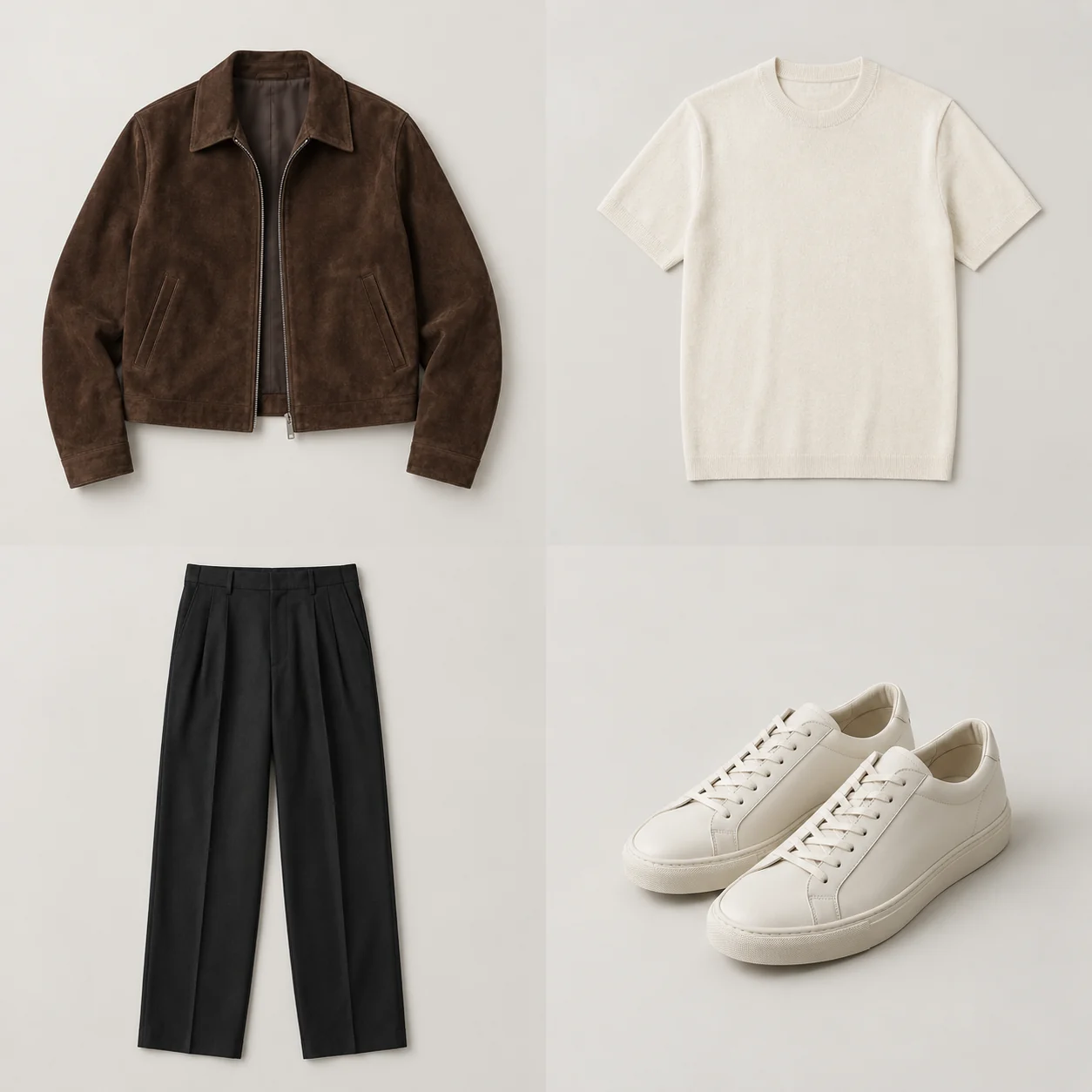
- Relaxed everyday: an ivory tee, open olive overshirt, straight dark jeans and low-profile sneakers. The overshirt provides structure; the tee keeps the center of the outfit simple.
- Soft smart casual: a fitted or gently relaxed tee, navy cardigan, charcoal trousers and loafers. Try the cardigan open first, then partially buttoned. Keep whichever gives a cleaner line when you sit and stand.
- Casual plaid: a plain gray tee, an open burgundy flannel, dark jeans and comfortable boots. Let the plaid be the focal point rather than adding another large graphic underneath.
Use equivalent pieces you already like. These examples do not require a particular gender, body shape or brand. If you prefer a skirt, test the same upper layers with a familiar skirt and footwear, then check the outline in a full-length mirror.
Choose where the volume goes
Start by changing one proportion at a time. With wide trousers, a shorter or less bulky upper layer can make the shape easier to read. With slim trousers, a longer overshirt can create an intentional contrast. Neither is a rule that forbids an oversized look; it is a way to understand why the combination feels different.
Check the visible hems. A small strip of tee below a cardigan can look deliberate. Three unrelated hems at the waist may look accidental. Try a tuck, a different base length or one fewer layer before deciding that the whole outfit needs replacing.
Make sure the outfit still works when a layer comes off
If you will spend the afternoon indoors, look at the base-and-bottom combination on its own. Choose a layer you can carry or store comfortably, and check the garment care label before assuming it will tolerate being folded in a bag.
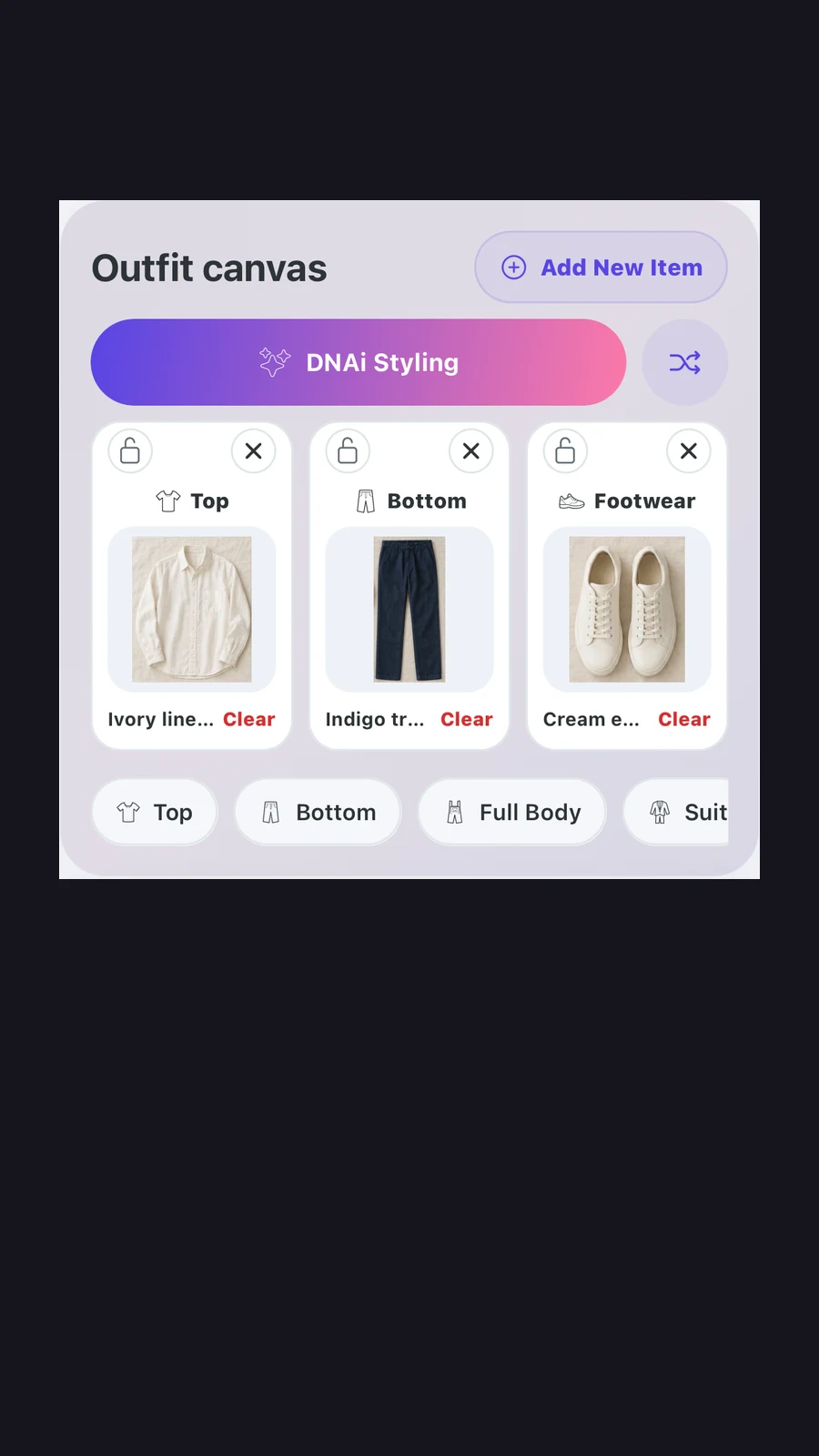
Use a digital closet to find the pieces and an outfit canvas to compare them. The collage helps with colors and shape; the movement check still happens on your body. Save the version that works both with and without the extra layer.
PUT IT INTO PRACTICE
Your wardrobe is the starting point.
Explore outfit planner in DressNyse, then put it to work with clothes you actually wear.
Get the app ↗