Smart casual without guessing: build the outfit around the occasion
Translate the invitation into real constraints
Before choosing clothes, ask what is happening, where and with whom. A creative office on Friday, a restaurant birthday and a daytime networking event might all say smart casual, yet expect different things. Check the venue's stated dress code and ask the host when the wording is unclear. Their answer matters more than a generic style rule.
Also consider movement. A dinner after a long walk needs footwear you can comfortably walk in. An outdoor event needs a plan for weather. Clothes that look polished in a mirror but prevent you from taking part have missed the brief.
Choose one polished anchor
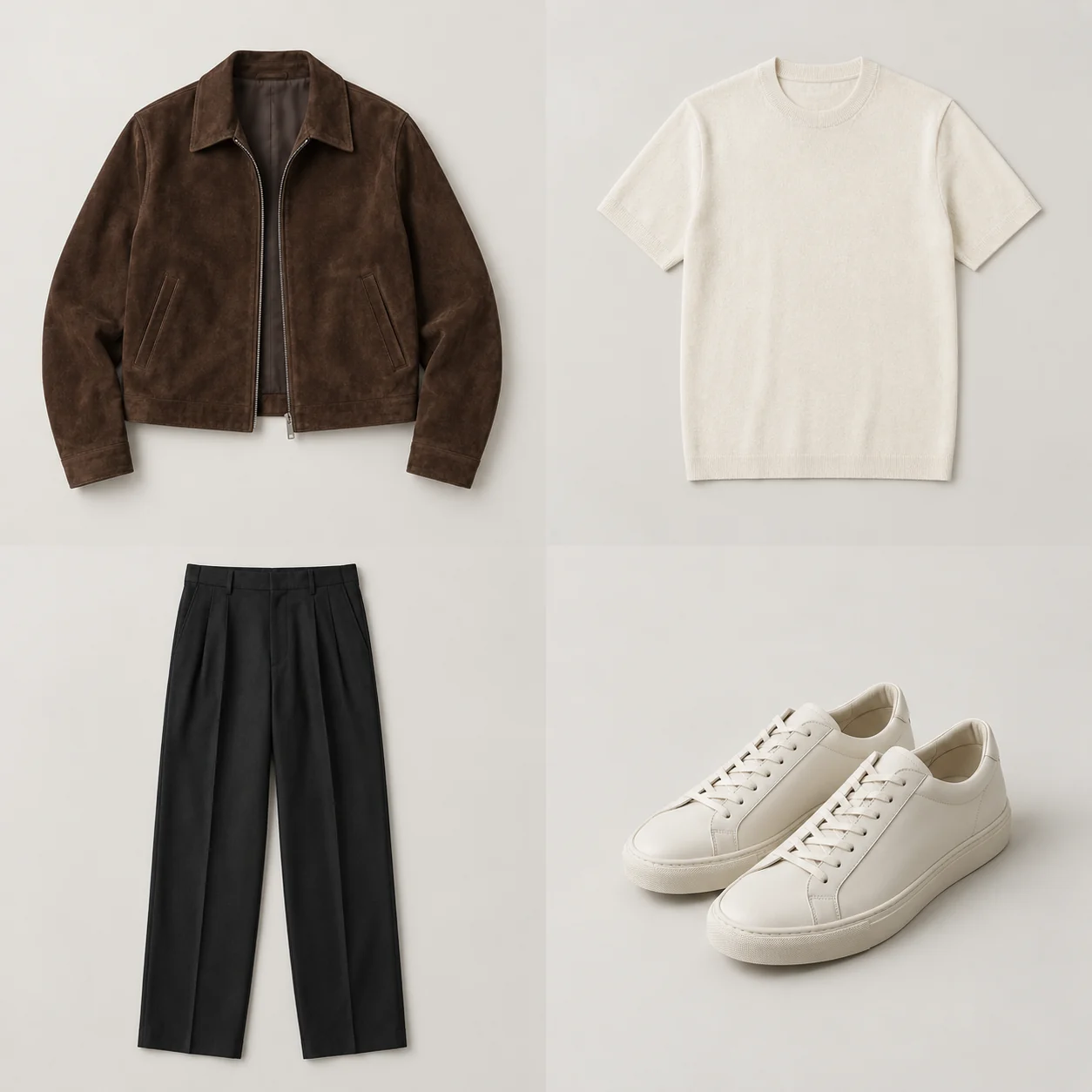
Start with a piece that gives the look structure: tailored trousers, a neat knit, a simple dress, a crisp shirt or a jacket that fits comfortably. You do not need all of them at once. Build around that anchor with quieter pieces, then look at the whole outfit for cleanliness, condition and fit.
For many settings, pressed trousers and a tidy knit will look more considered than a creased blazer worn simply because “smart” appeared in the invitation. A visible stain, dragging hem or uncomfortable waistband is a practical issue to address, not something an extra accessory will distract from.
Adapt the same idea to three occasions
- Relaxed restaurant: dark straight jeans, an espresso knit polo and clean loafers, if the venue allows denim. For a different silhouette, try a simple midi dress and a cardigan with suitable flats. Add outerwear for the journey, not as the only thing making the look complete.
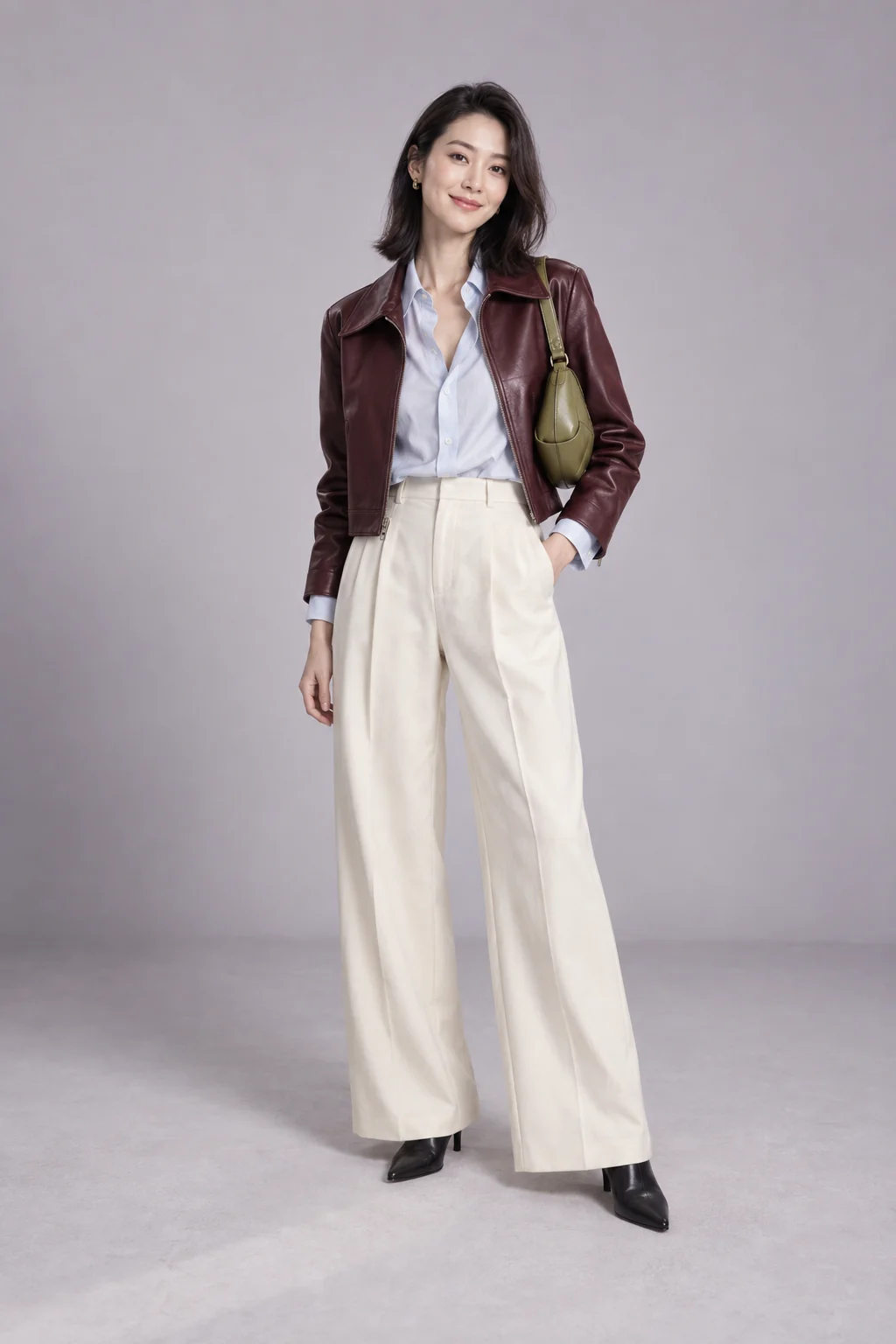
- Business-casual meeting: charcoal trousers, a pale-blue shirt and leather shoes, with a navy jacket if the meeting calls for it. A blouse with tailored trousers and flats is another route. Ask about the workplace rather than assuming sneakers are always accepted.
- Walking date with a casual dinner: comfortable chinos or jeans, a plain tee under a light overshirt and familiar clean sneakers. This can suit an informal plan; it is not a substitute for a stricter restaurant's requirements.
These are starting points rather than gender-specific uniforms. Use the shapes you wear and the actual expectations of the occasion. If you enjoy stronger color or jewelry, let one detail make the outfit yours while the core still meets the brief.
Change one formality dial at a time
To make a relaxed outfit more polished, first try changing the most casual element. Swap running shoes for appropriate everyday shoes, or replace a large graphic tee with a simple knit. Then reassess. Adding a blazer over an otherwise unsuitable outfit does not automatically turn it into smart casual.
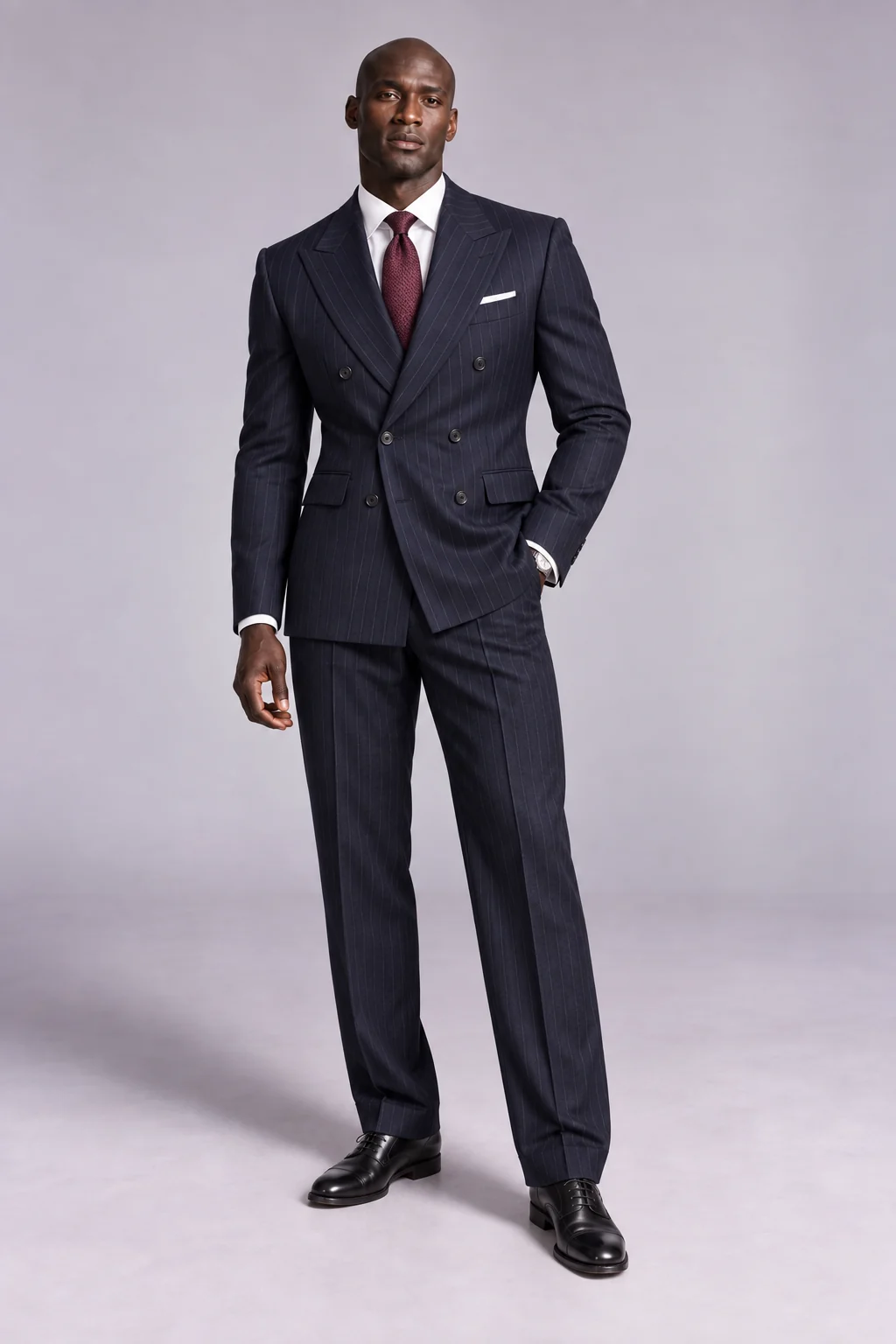
To soften a look that feels too formal, remove the jacket or choose a less structured layer before replacing every piece. A full suit may be exactly right for some events and far beyond the brief for others. The aim is to look intentional in context, not to maximize formality.
Save the context along with the outfit
Give the look a useful name in your outfit plan, such as “casual birthday dinner, indoor” rather than just “smart casual.” Keep a note about the venue and the shoes that worked. Next time, you can reuse the reasoning instead of treating a vague label as a complete instruction.
Before leaving, sit, walk and check the outfit without its outer layer. Confirm the dress code, weather and garment availability again. A saved combination is a helpful starting point; it is not a reason to ignore the occasion in front of you.
PUT IT INTO PRACTICE
Your wardrobe is the starting point.
Explore outfit planner in DressNyse, then put it to work with clothes you actually wear.
Get the app ↗